
Tactile Intelligence: How Hands-On Solving Builds a More Present Mind
Updated: Jul 27

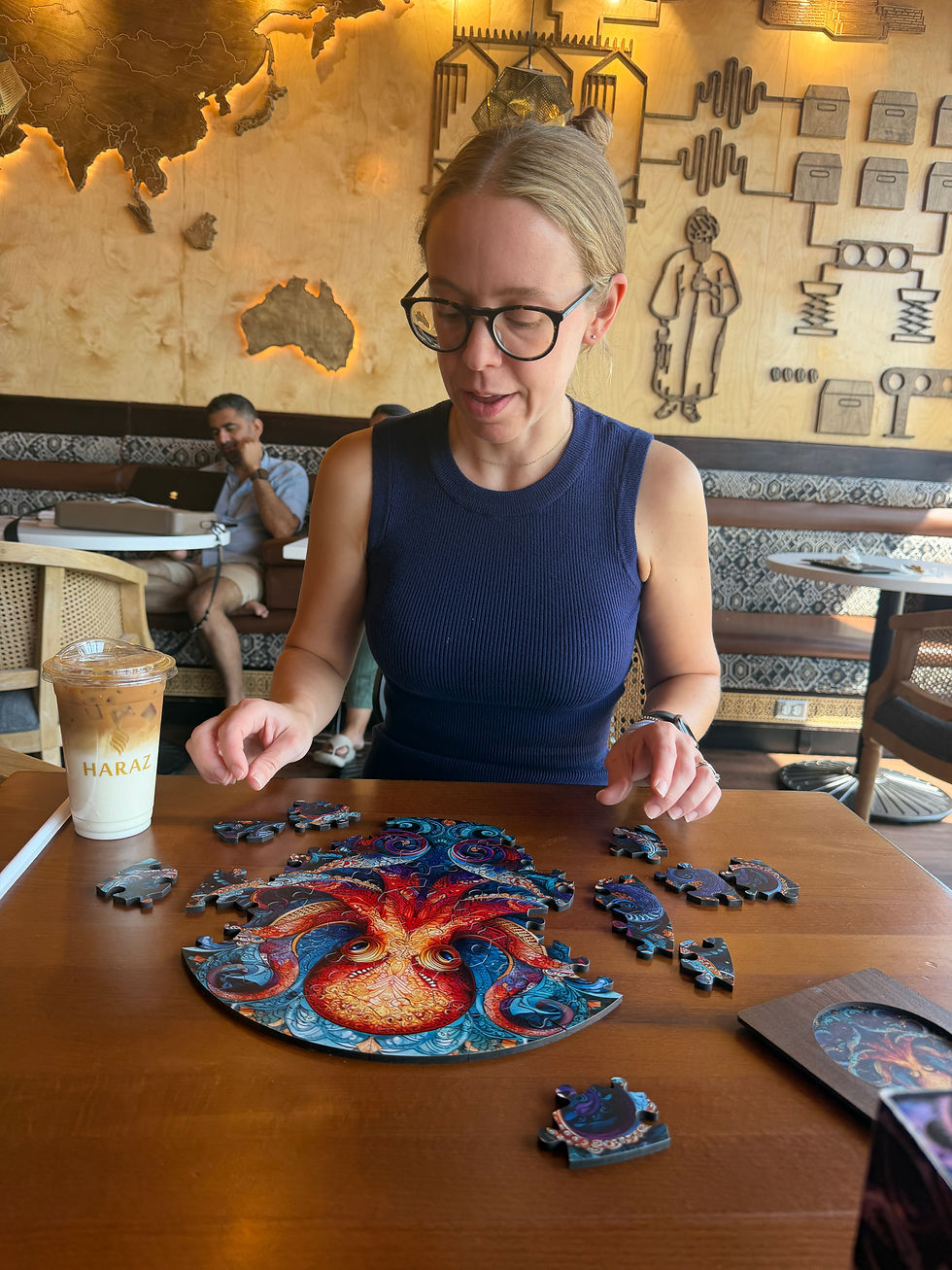
In a world that’s constantly pulling us in different directions, staying present can feel like a challenge. Between endless notifications, digital distractions, and multitasking, it’s easy for the mind to become scattered. But there’s a simple, effective way to train your brain to focus and be present: tactile puzzle-solving. Engaging with hands-on puzzles doesn’t just provide a mental challenge; it fosters a state of mindfulness, helping to quiet the noise and improve your ability to concentrate. The physical interaction with puzzle pieces—whether it’s wooden puzzles like CogZart's Circzles or Cogdokus—promotes deeper cognitive engagement and mental clarity. Let’s explore how the act of solving tactile puzzles strengthens focus, encourages mindfulness, and ultimately leads to a more present, aware mind.
What is Tactile Intelligence?
Tactile intelligence refers to the cognitive benefits that come from interacting with objects through touch. When you engage with something physically—like piecing together a puzzle—your brain is actively processing information in a more kinesthetic and sensory way. Unlike screen-based tasks that rely on passive observation, tactile puzzles require active engagement with your hands, eyes, and mind. This multisensory experience strengthens the brain's ability to focus, improve spatial awareness, and solve problems. As you work with physical pieces, you’re not just organizing shapes or colors; you’re actively training your brain to engage with the task at hand, thereby enhancing your mental presence and cognitive flexibility.
Hands-On Problem-Solving: A Path to Mindfulness
The act of solving a puzzle involves focused attention—a key component of mindfulness. When you engage with tactile puzzles, you’re required to slow down and pay attention to each piece, its shape, color, and position. This focused activity pulls your mind out of autopilot and into the present moment. In contrast to the constant distractions of digital devices, hands-on puzzles offer a rare opportunity for the brain to engage fully without interruptions. As your hands move pieces, your brain becomes immersed in the task, which leads to a state of mindful problem-solving. This is a form of active relaxation, where your attention is trained on one thing, allowing you to momentarily disconnect from the stress of daily life.
How Tactile Puzzles Train Your Brain to Focus
When solving a tactile puzzle, your brain is forced to focus intensely on the task at hand. Every piece you place and every shape you match requires decision-making, concentration, and cognitive effort. This process helps train your brain to resist distractions and stay focused on a single objective. Unlike more passive activities, such as watching TV or scrolling through your phone, tactile puzzles encourage active mental engagement. As you solve the puzzle, your brain is actively building working memory, improving attention span, and enhancing your ability to solve problems efficiently. The act of focusing on one task, while manipulating physical pieces, creates mental clarity and improves overall cognitive function.
Tactile Intelligence and Stress Relief
One of the most rewarding aspects of tactile puzzle-solving is its ability to reduce stress and promote relaxation. In today’s fast-paced world, many people struggle with stress and anxiety, often exacerbated by information overload and constant digital stimuli. Tactile puzzles, however, provide a way to disconnect from the overstimulation of screens and engage the mind in a slower, more deliberate way. The act of hands-on problem-solving is known to reduce cortisol levels (the body’s primary stress hormone), promoting a sense of calm and tranquility. As you focus on the task at hand, the stress of everyday life fades, allowing you to reset and refresh your mind. For those seeking a mental break or a way to manage stress, tactile puzzles provide a much-needed sanctuary for the mind.

The Cognitive Benefits of Tactile Play
Engaging in tactile play through puzzles strengthens several areas of cognitive function. It improves spatial reasoning, pattern recognition, and problem-solving skills by challenging your brain to figure out how pieces fit together in a coherent way. The more you engage with puzzles, the better your brain becomes at processing complex information and finding solutions. This cognitive exercise translates into other areas of life—helping you solve problems more creatively, think critically, and adapt to new challenges with greater ease. The more you practice tactile puzzle-solving, the sharper your cognitive abilities become, improving mental agility and overall brain function.
How to Incorporate Tactile Puzzles Into Your Daily Routine
Incorporating tactile puzzles into your daily routine is easy and offers quick mental resets throughout the day. Here are some tips to make the most of your tactile puzzle sessions:
Start your day with a CircZles: Use a CircZle puzzle to kickstart your morning routine and set a calm, focused tone for the day ahead.
Take puzzle breaks during work: Step away from your desk for a few minutes to solve a piece of a puzzle. This quick break will help reset your mind and improve focus when you return to work.
End the day with mindful puzzling: Wind down before bed by engaging in a puzzle session that allows you to relax and prepare for restful sleep.
Keep a puzzle nearby: Whether at home or work, keep a small puzzle in sight so that you can easily engage with it whenever you need a mental break.
By incorporating tactile puzzles into your daily routine, you can actively train your mind to stay present, focused, and clear-headed.
Final Thought
Tactile intelligence is a powerful tool for building a more focused, present mind. By engaging with hands-on puzzles, you’re not only enhancing your cognitive abilities, but you’re also training your brain to stay grounded and calm in the face of everyday stress. Whether it’s a quick puzzle break or an immersive puzzle session, tactile play offers a simple yet effective way to sharpen your mind and improve mental well-being. Your Mind Matters, and by making time for tactile puzzles, you’re investing in your cognitive health and cultivating a sharper, more present mind.
Citation:
“Activities that require concentration, problem-solving, and active engagement—especially hands-on tasks—help strengthen attention, memory, and overall brain function.”
Source: Harvard Health Publishing, Harvard Medical School
“Mindfulness activities that require sustained attention and physical engagement can reduce stress, improve emotional regulation, and enhance mental clarity.”
Source: American Psychological Association


Comments